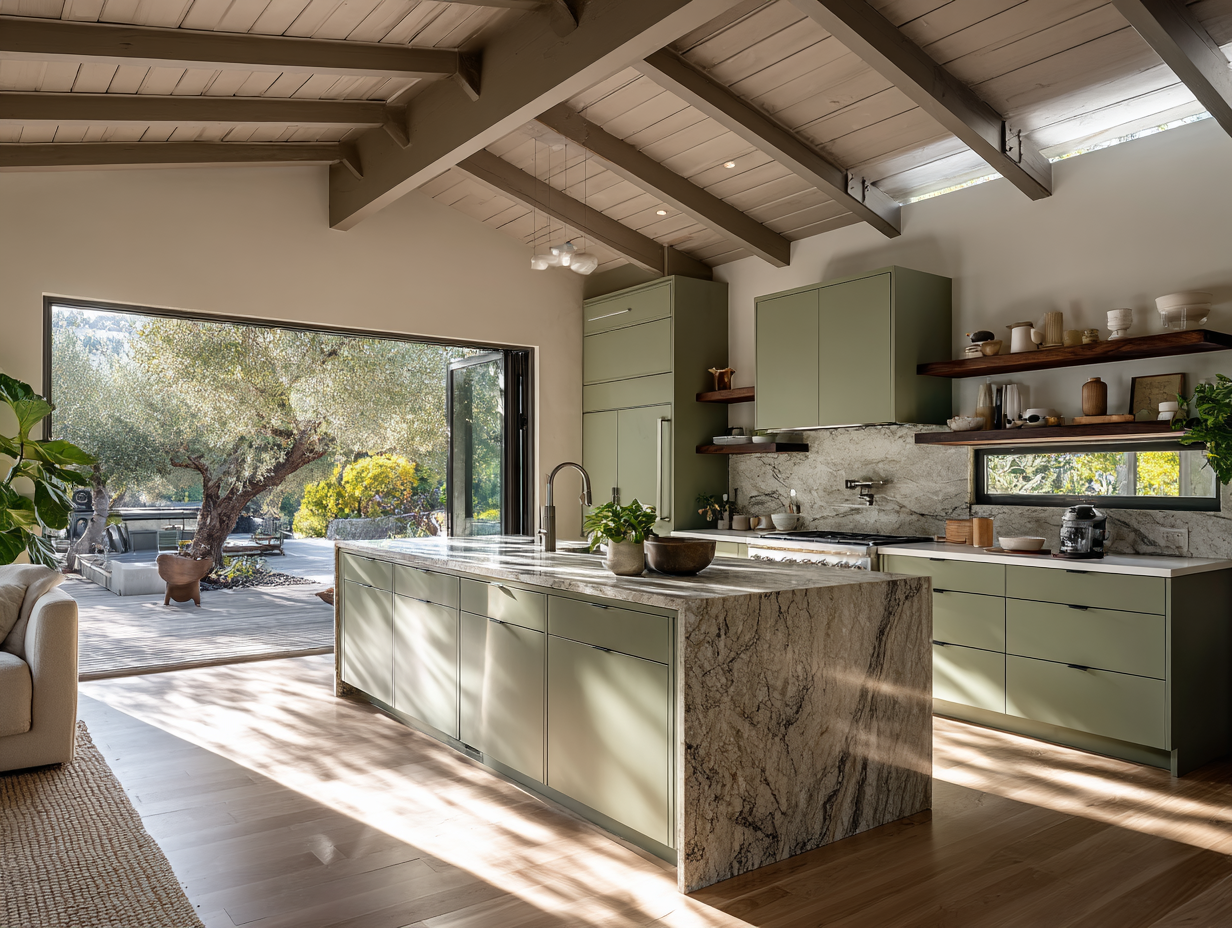
A do it yourself kitchen cabinet sounds simple at first. You imagine saving money, picking your own style, and building something with your own hands. It feels exciting. But once you step into the process, reality hits. Wood, tools, measurements, mistakes—it all becomes real very fast.
So the honest question is not just can you build a do it yourself kitchen cabinet. The better question is this: should you, and what does it actually take to do it right?
Let’s break it down in a way that feels real, clear, and helpful.
What a Do It Yourself Kitchen Cabinet Really Means
A do it yourself kitchen cabinet is not just putting together a few wooden pieces. It means building a strong, level, and functional storage system that will handle daily use for years.
You are not just building a box. You are building something that must:
- Hold heavy items like dishes and cookware
- Open and close smoothly every day
- Stay level even if your floor is not perfect
- Look good in your kitchen space
This is where many people underestimate the work. A simple cabinet may look easy, but getting it square, stable, and clean takes skill.
Why People Want to Build Their Own Cabinets
The idea of a do it yourself kitchen cabinet is popular for a reason. There are real benefits when it’s done right.
1. You Can Save Money
Custom cabinets can be very expensive. Building your own can cut costs, especially if you already have some tools.
2. Full Control Over Design
You choose the size, color, and style. You are not limited to store options.
3. Personal Satisfaction
There is something powerful about using something you built yourself. It adds pride to your home.
4. Learning a Valuable Skill
Cabinet making teaches you woodworking basics that can be used in many other projects.
But here’s the part many guides skip: these benefits only happen if you finish the project properly.
The Hidden Challenges Most People Don’t Expect
A do it yourself kitchen cabinet project can quickly become frustrating if you are not prepared.
Measurements Must Be Exact
Even a small mistake can cause big problems. A cabinet that is slightly off will not fit right, and doors may not close properly.
Tools Matter More Than You Think
You can’t build clean cabinets with poor tools. You’ll need:
- A reliable saw
- A drill
- Clamps
- Measuring tools
Without these, the finish will look rough.
Wood Can Be Tricky
Wood can warp, split, or expand. If you choose the wrong type, your cabinet may not last.
Time Commitment Is Real
A single cabinet can take several days if you are new. A full kitchen can take weeks or even months.
Skills You Need (Or Will Learn the Hard Way)
You don’t need to be a master carpenter, but you do need some basic skills to build a do it yourself kitchen cabinet.
Measuring and Planning
You must plan every cut before you make it. Guessing leads to waste and frustration.
Cutting Straight Lines
If your cuts are not straight, your cabinet will not be square.
Assembly Techniques
You need to understand how to join wood properly using screws, glue, or joints.
Finishing
Sanding, painting, or staining is what makes the cabinet look professional.
The good news is that these skills can be learned. The bad news is that mistakes are part of that learning.
Step-by-Step: How a Basic DIY Cabinet Is Built
Let’s walk through a simple version of the process so you understand what you’re getting into.
Step 1: Plan Your Design
Start with the size and layout. Measure your kitchen space carefully.
Decide:
- Height
- Width
- Depth
- Shelf placement
Sketch it out before you cut anything.
Step 2: Choose the Right Materials
Most DIY builders use:
- Plywood for the box
- Solid wood for the frame
- MDF for painted finishes
Good material makes a huge difference in the final result.
Step 3: Cut All Pieces
You will cut:
- Side panels
- Top and bottom panels
- Shelves
- Back panel
Accuracy here is everything. Double-check before every cut.
Step 4: Assemble the Box
Join the sides, top, and bottom to form the cabinet frame. Use clamps to keep everything square.
Add the back panel to lock the shape.
Step 5: Add the Face Frame
This is the front part of the cabinet. It improves strength and gives a clean look.
Step 6: Install Shelves
You can fix them in place or make them adjustable.
Step 7: Sand and Finish
Smooth all surfaces, then paint or stain.
Step 8: Install Doors and Hardware
Attach hinges, handles, and adjust everything until it opens smoothly.
This is the full journey of a basic do it yourself kitchen cabinet. Each step matters.
Common Mistakes That Ruin DIY Cabinets
Even small mistakes can turn a good idea into a disappointing result.
Skipping the Planning Stage
Many people rush into cutting wood without a clear plan. This leads to wasted material.
Using Cheap Materials
Low-quality wood can bend or break. It may save money now but cost more later.
Ignoring Level and Alignment
If your cabinet is not level, everything will look off—even if your cuts were perfect.
Rushing the Finish
A bad paint job can make a well-built cabinet look cheap.
Is It Cheaper to Build Your Own Cabinets?
This is one of the biggest questions.
The answer: it depends.
If you already have tools and basic skills, a do it yourself kitchen cabinet can save money.
But if you need to buy tools, fix mistakes, and spend a lot of time learning, the cost can rise quickly.
Here’s a simple way to think about it:
- DIY is cheaper in money, but expensive in time
- Pre-made cabinets are more expensive upfront, but save effort
You have to decide which cost matters more to you.
When DIY Cabinets Make Sense
A do it yourself kitchen cabinet project is a great idea in certain situations.
You Enjoy Hands-On Work
If you like building things, this project will feel rewarding.
You Have Basic Tools Already
This reduces your starting cost.
You’re Working on a Small Kitchen
Smaller projects are easier to manage and complete.
You Want Custom Sizes
DIY is perfect for unique spaces where standard cabinets won’t fit.
When DIY Cabinets Might Not Be Worth It
Sometimes, building your own cabinets is not the best choice.
You Need a Fast Solution
DIY takes time. If you need a quick kitchen upgrade, this may not work.
You Have No Tools or Experience
Starting from zero can feel overwhelming.
You Want a Perfect, High-End Finish
Professional cabinets often have a level of detail that is hard to match as a beginner.
Tips to Make Your DIY Cabinet Project Successful
If you decide to go for it, a few smart choices can make a huge difference.
Start Small
Build one cabinet first. Learn from it before doing a full kitchen.
Practice Your Cuts
Use scrap wood to test your cuts and measurements.
Take Your Time
Rushing leads to mistakes. Slow, careful work gives better results.
Watch and Learn
There are many tutorials available. Learn before you act.
Keep It Simple
Avoid complex designs for your first project.
The Truth Most People Don’t Say
Here’s the honest reality: a do it yourself kitchen cabinet is possible, but it’s not easy.
Many people start with excitement and end with frustration because they expect fast results. But cabinet building is a skill. It improves with time.
Your first cabinet may not look perfect. That’s normal.
What matters is progress.
Final Thoughts: Can You Really Build One?
Yes, you can build a do it yourself kitchen cabinet.
But success depends on your mindset.
If you expect perfection on the first try, you may feel disappointed. If you treat it as a learning process, you will grow and improve.
A do it yourself kitchen cabinet is not just about saving money. It’s about creating something real, something useful, and something personal.
And when you stand in your kitchen and open a cabinet you built with your own hands, it feels different. It feels earned.
That alone makes the effort worth it.
Leave a Reply