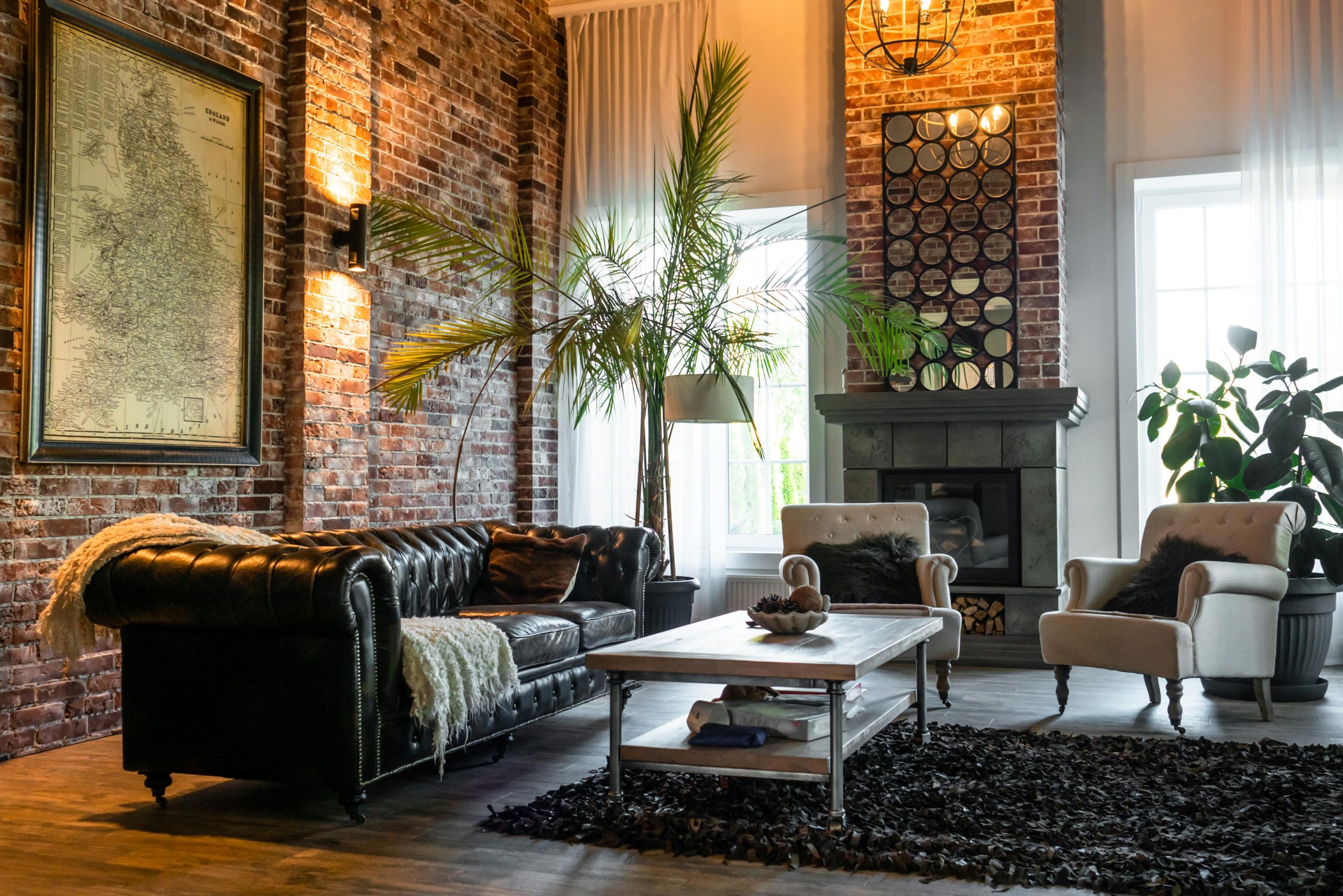
The relationship between interior design and real estate has never been more intertwined. Today’s buyers arrive at showings with Pinterest boards saved on their phones and clear visions of how they want their homes to look and feel. Sellers increasingly invest in style updates before listing, recognizing that dated interiors can cost them thousands at closing. Understanding how design trends shape purchasing decisions helps both buyers and sellers navigate the current market more effectively.
The Rise of Move-In Ready Expectations
A decade ago, buyers routinely expected to update homes after purchase. Fresh paint, new fixtures, and flooring replacements were considered normal parts of homeownership. Today’s buyers, particularly younger ones, increasingly seek properties requiring minimal immediate work.
This shift reflects several factors. Busy professionals have limited time for renovation projects. Rising contractor costs and material prices make updates more expensive than in previous years. And constant exposure to beautifully designed spaces through social media has raised expectations for what homes should look like from day one.
Sellers who recognize this trend invest strategically in pre-listing updates. Modern light fixtures, contemporary paint colors, and updated hardware can yield returns far exceeding their costs when they help buyers envision moving straight in.
Design Elements Driving Buyer Interest
Certain interior features consistently generate excitement among today’s buyers. Open floor plans remain highly desirable, with flowing spaces between kitchens, dining areas, and living rooms topping wish lists. Buyers want to see sightlines that connect gathering spaces and accommodate modern lifestyles centered on casual entertaining.
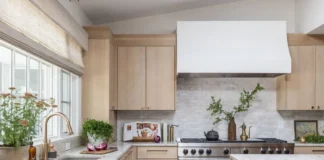
Kitchen aesthetics carry particular weight in purchasing decisions. White or light cabinetry, quartz countertops, and large islands have become expected features in many market segments. Homes with dated kitchen styles often sell more slowly or at reduced prices compared to updated competitors.
Bathroom design trends similarly influence buyer perception. Spa-like primary bathrooms with large showers, freestanding tubs, and clean contemporary finishes signal the kind of lifestyle buyers aspire to enjoy.
Natural materials and organic textures have gained prominence as buyers seek warmth and authenticity. Wood accents, stone features, and woven elements create the inviting atmospheres that photograph beautifully and feel welcoming in person.
How Agents Are Adapting
Real estate professionals increasingly factor design awareness into their client services. Experienced agents help sellers identify which updates will yield the strongest returns and which dated elements might deter buyers. They connect clients with stagers who transform spaces to align with current preferences.
For buyers, knowledgeable agents help distinguish between cosmetic datedness and genuine problems. They assist clients in seeing past surface styles to evaluate underlying home quality, while honestly assessing what updates might cost if current design does not match buyer preferences.
Luxury real estate specialists particularly emphasize design expertise. Firms like Gurr Luxury Properties understand that high-end buyers expect sophisticated aesthetics and often seek agents who can speak knowledgeably about design quality, architectural details, and finish levels that justify premium pricing.
Balancing Trends and Timelessness
While current trends influence decisions, savvy participants in real estate recognize the difference between fleeting fads and lasting style evolution. The most successful approach balances contemporary appeal with choices that will age gracefully.
Neutral foundations with on-trend accents offer flexibility that pure trend-chasing cannot match. Homes designed with quality materials and classic proportions maintain appeal across changing style cycles. Buyers willing to see past easily changed elements often find better values than those requiring everything to match current magazine spreads.
Where Design Meets Investment
Interior style has become inseparable from real estate strategy for both buyers and sellers. Homes that align with current design preferences sell faster and often command premium prices. Buyers who understand trends can better evaluate whether asking prices reflect genuine value or simply stylish staging.
As visual culture continues shaping expectations, the intersection of design and real estate will only deepen. Those who understand this relationship position themselves for smarter decisions whether buying, selling, or investing in property.