
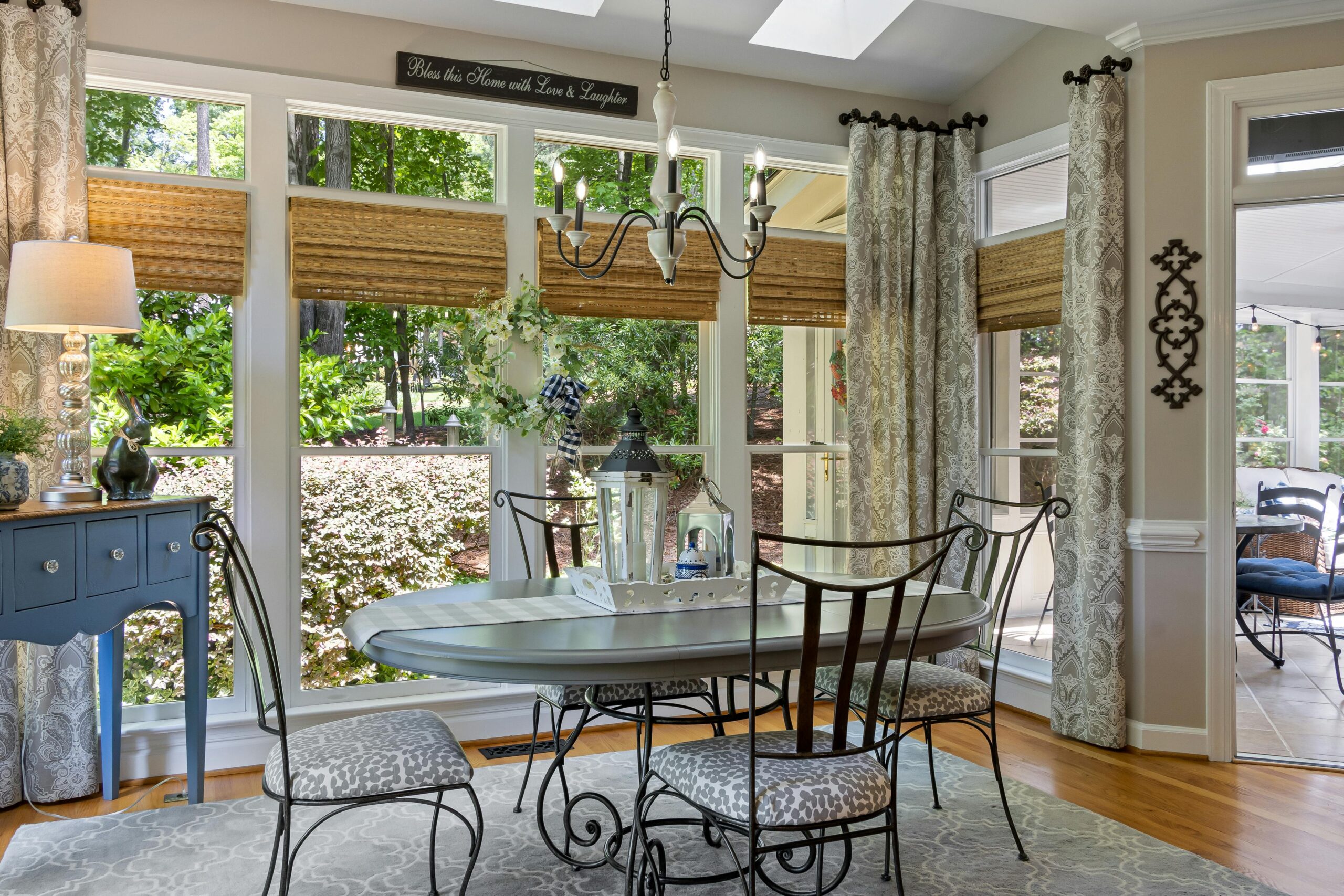
When it comes to home decor, window treatments play a pivotal role in shaping the ambiance of any room. They are far more than just a decorative element; they control natural light, provide privacy, and even influence energy efficiency. Whether you’re remodeling your home or simply refreshing a space, understanding the variety and function of window treatments can make a significant difference. This comprehensive guide will walk you through the essentials of window treatments, from how to choose window treatments that suit your needs, to exploring the most popular styles and installation tips.
How to Choose Window Treatments: Factors to Consider
Choosing the right window treatments can feel overwhelming given the great many options available, but breaking down the decision-making process can simplify it tremendously. So, how to choose window treatments that not only complement your interior design but also meet practical needs? You’ll want to begin by considering the room’s purpose. For bedrooms, privacy and light-blocking qualities rank high. Opting for blackout curtains or cellular shades is ideal. In contrast, living rooms can benefit from treatments that allow for natural light while reducing glare, such as sheer curtains or Venetian blinds.
It’s also important to assess your style preferences. Are you drawn to minimalist modern aesthetics or do you prefer classic, layered looks? Window treatments come in a range of materials, from sleek aluminum blinds to luxurious silk drapery, that can align perfectly with your decor. Don’t forget about color and pattern. They’re essential aspects that can either blend seamlessly or act as a statement piece. Measure your windows accurately; ill-fitting treatments can detract from both function and appearance.
Practical considerations include ease of cleaning, durability, and cost. Families with children may want to consider cordless blinds for increased safety. If energy efficiency is a priority, thermal shades or insulated curtains help keep rooms warm in winter and cool in summer. When you match these factors to your lifestyle and design goals, you’ll find the perfect window treatment for any space.
Types of Window Treatments and Their Benefits
Window treatments fall into several categories, each offering unique benefits and aesthetics. The most common types include curtains and drapes, blinds, shades, shutters, and valances. Understanding what each type brings to the table helps in making an informed choice.
Curtains and drapes are fabric panels hung from rods, perfect for adding softness and warmth. Drapes are usually heavier and lined, providing better insulation and privacy. Curtains tend to be lighter and can incorporate sheer fabrics that diffuse light beautifully. Blinds are made up of slats that can be tilted to control light and privacy. Available in materials like wood, faux wood, aluminum, and vinyl, blinds offer versatility and ease of use.
Shades, unlike blinds, are made from continuous fabric or material that rolls or folds up. Roman, roller, and cellular shades are popular variants, each with distinct looks and functionalities. Cellular shades, for instance, have a honeycomb structure that traps air, enhancing insulation. Shutters are a sturdy option, typically made from wood or composite, and add an architectural element to a room. They excel in light control and longevity. Valances are decorative treatments that cover the upper part of windows and work well combined with other treatments to create layered looks.
Installation Tips and Maintenance Advice
Installing window treatments might appear straightforward, but a few tips can ensure a professional finish and longevity. First, decide whether you want your treatments mounted inside the window frame for a clean, streamlined look or outside the frame to make windows appear larger and offer more light blockage.
Use proper hardware suited to the weight and style of your chosen treatment. For heavy drapes, sturdy brackets and anchors are essential to avoid sagging drapes. When installing blinds or shades, follow manufacturer instructions carefully to ensure smooth operation. Corded options should have tension devices for child safety.
Maintenance varies by type. Fabric treatments like curtains and drapes often benefit from regular vacuuming with upholstery attachments to remove dust, along with periodic washing according to fabric care instructions. Blinds and shutters can be wiped down with a damp cloth or dusted regularly. Shades require gentle handling to avoid creases or damage to mechanisms. While the maintenance of window treatments is easy to overlook, proper care extends the life of your window treatments and keeps them looking fresh.
The Impact of Window Treatments on Home Comfort and Style
Beyond their obvious aesthetic value, window treatments greatly influence home comfort. Managing natural light effectively reduces glare on screens and protects furnishings from sun damage. Privacy management is critical, especially for ground-floor rooms or urban environments. Energy efficiency is another important factor—thermally insulated window treatments help moderate indoor temperatures, potentially lowering heating and cooling bills.
Stylistically, window treatments can tie together multiple elements of your decor. Matching colors, textures, and patterns with furniture and wall colors can create a cohesive vibe. On the other hand, bold, contrasting treatments can become focal points or add personality to otherwise neutral spaces.
Ultimately, investing in quality window treatments offers a dual payoff: enhanced style and improved functionality. When you carefully select and care for your treatments, you set the stage for a comfortable, inviting, and visually appealing home environment.
Window treatments are an often underappreciated but vital component of home design. From learning how to choose window treatments based on your lifestyle, room function, and style preferences, to understanding the distinct advantages of curtains, blinds, shades, and shutters, this comprehensive guide has covered key considerations for homeowners and renters alike. Installation and maintenance tips ensure your chosen treatments remain attractive and functional over time. And finally, recognizing the impact on comfort and aesthetics affirms why investing time and thought into window treatments pays off handsomely.
Whether you’re aiming for a serene sanctuary, a vibrant living space, or an energy-efficient home, the right window treatments can make all the difference. So next time you face those bare windows, remember that with the perfect treatment, your view and your room’s atmosphere can be completely transformed.