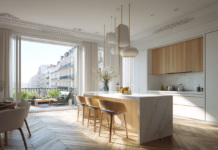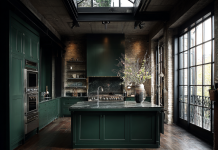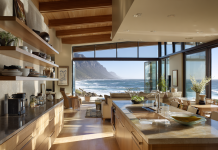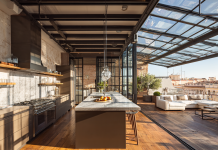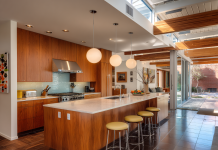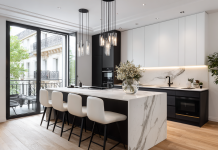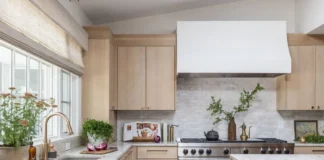
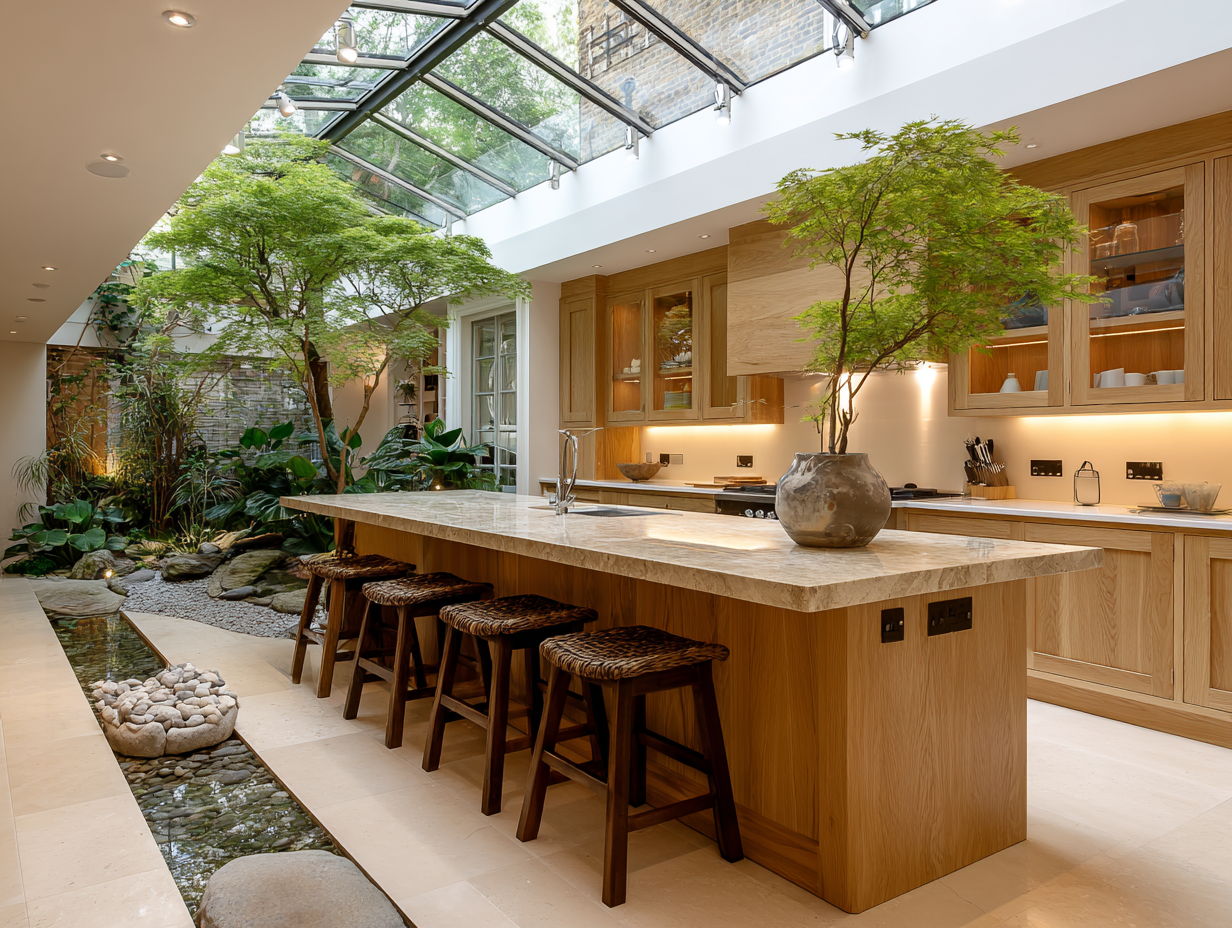
Natural wood cabinets bring warmth and timeless charm to any kitchen. In this guide, we’ll explore design tips, color pairings, and maintenance advice to help you create a stylish, functional space that highlights the beauty of natural wood while matching your personal taste and lifestyle.
Types of Natural Wood for Kitchen Cabinets
Natural wood cabinets are available in a variety of beautiful species, each offering unique characteristics in terms of aesthetic appeal, durability, and cost. Choosing the right wood is essential to achieve the desired look and functionality for your kitchen. Below, we explore some of the most popular wood varieties, their pros and cons, and tips for selecting the perfect wood to match your kitchen style.
Oak Cabinets
Oak is a highly durable hardwood with a prominent grain pattern that adds character to any kitchen design. It’s versatile, available in both red and white varieties, and can be stained or painted to suit different styles. However, its bold grain may be too distinctive for those seeking a smoother, more modern look.
Maple Cabinets
Maple cabinets are known for their smooth, even texture and lighter color tones, making them perfect for achieving a clean, minimalist aesthetic. They are strong, reliable, and take stains well, though maple’s natural light color may show dents or scratches more easily compared to darker woods.
Cherry Cabinets
Cherry wood is prized for its rich, warm tones and smooth grain pattern. Over time, it naturally darkens, adding depth and character to the kitchen. While cherry wood is luxurious, it comes at a higher price point and may not be ideal for budget-conscious projects.
Walnut Cabinets
Walnut offers a dark, rich appearance with a sleek, natural grain, bringing a sophisticated touch to any kitchen. It’s durable yet slightly softer than other hardwoods, making it susceptible to scratches. Walnut’s premium look is perfect for upscale designs, but it does come with a higher cost.
Tips for Selecting the Right Wood
When choosing a wood type, consider your kitchen’s overall aesthetic, the level of maintenance required, and your budget. For modern styles, lighter woods like maple or birch deliver a clean, sleek appearance. For a more traditional or rustic vibe, opt for oak or cherry. Be sure to factor in durability and how the wood will age over time in your decision-making process.
Design and Aesthetic Considerations
When designing your kitchen, creating harmony between your wood cabinets, countertops, and backsplashes is essential for a cohesive look. The right combination of colors, finishes, and materials can enhance the character of your space while showcasing your personal style. Mixing natural wood with other elements adds depth and interest, making your kitchen a truly unique and functional area.
Matching Wood Cabinets
To achieve a balanced look, pair wood cabinets with countertops and backsplashes that provide contrast or complement the wood’s tone. For light wood cabinets, consider darker countertops and backsplashes to create visual depth.
Conversely, rich, dark wood pairs beautifully with light-colored stone or tile for a striking effect. Consistency in material or color accents across the kitchen brings the design together seamlessly.
Choosing Colors and Finishes
Selecting the right colors and finishes for your kitchen is crucial to achieving your desired aesthetic. Matte finishes on wood lend a more modern and subtle appearance, while glossy finishes evoke elegance and warmth.
To enhance color harmony, choose a countertop or backsplash that highlights subtle hues in the wood grain. Don’t shy away from adding bold hues or patterned tiles to inject personality into the space.
Mixing Natural Wood
Combining natural wood with materials like stainless steel, glass, or concrete adds texture and contemporary flair to your kitchen design. For instance, wood cabinets work exceptionally well with concrete countertops for an industrial look or glass backsplashes for a modern edge. The interplay between the warmth of wood and the coolness of other materials creates a dynamic, stylish space that feels both grounded and full of character.
Functionality and Practicality
Natural wood cabinets are renowned for their longevity, as they withstand daily wear and tear with proper care. Regular cleaning using gentle solutions preserves their finish, while avoiding excess moisture prevents warping. Customize your cabinets with adjustable shelves, dividers, or pull-out trays to maximize storage and maintain an organized, functional kitchen space tailored to your specific needs.
Style Inspirations
Whether your design vision leans toward timeless elegance, clean modernism, or a blend of unique styles, natural wood cabinets can complement any aesthetic. Their versatility, durability, and ability to adapt to varying themes make them a sought-after choice. Below, we explore how natural wood cabinets enhance different kitchen styles, offering inspiration for your dream kitchen.
Classic and Traditional Kitchens
Classic and traditional kitchens prioritize timeless designs, rich finishes, and intricate craftsmanship. Natural wood cabinets in deep tones like mahogany or walnut pair beautifully with ornate handles, crown molding, and marble countertops.
These elements create a warm, inviting space that exudes sophistication. Opt for raised-panel doors or decorative accents to enhance the charm, bringing an air of elegance and a sense of history to your kitchen.
Modern and Minimalist Kitchens
For sleek and contemporary homes, natural wood cabinets with clean lines and subtle grains are the perfect choice. Lighter wood finishes like oak or birch create a sense of openness, complementing minimalistic décor.
Flat-panel cabinet designs combined with metallic accents and muted color palettes emphasize simplicity. These cabinets promote functionality without compromising on style, blending seamlessly with minimalist principles.
Rustic and Farmhouse Designs
Rustic and farmhouse kitchens highlight the natural beauty of wood by showcasing its grain, knots, and textures. Reclaimed wood cabinets or distressed finishes evoke a cozy, lived-in feel reminiscent of countryside charm.
Pair these cabinets with vintage-inspired hardware, apron-front sinks, and open shelving for a truly authentic look. This design style is perfect for bringing a touch of warmth and nostalgia to your home.
Eclectic and Unique Looks
Natural wood cabinets can also serve as a foundation for bold, eclectic designs. Mix and match wood finishes, combine vibrant colors, or incorporate unconventional shapes for a one-of-a-kind kitchen.
Experiment with custom carvings, creative patterns, or unexpected materials for cabinet doors. This approach offers limitless opportunities to express personality, resulting in a space that defies tradition while remaining both practical and stylish.
Sustainability and Eco-Friendly Considerations
Sustainability and eco-friendly considerations are increasingly significant in modern kitchen designs. Opting for cabinets made from reclaimed wood or FSC-certified materials ensures minimal environmental impact.
Using low-VOC finishes and adhesives promotes healthier indoor air quality. Combining durability with eco-conscious choices creates a stylish, functional, and environmentally responsible kitchen space for years to come.
FAQs
1. What are the most durable materials for kitchen countertops?
The most durable materials for kitchen countertops include quartz, granite, and stainless steel. These surfaces resist scratches, heat, and daily wear and tear, offering longevity and functionality.
2. How can I maximize storage in a small kitchen?
Consider using vertical storage, such as shelving or wall-mounted racks, and installing pull-out cabinets or drawer organizers to make the most of limited space efficiently.
3. What are the best energy-efficient appliances for kitchens?
Look for appliances with an ENERGY STAR certification. These include energy-efficient refrigerators, dishwashers, and induction stoves, which help reduce electricity consumption and lower utility bills.
4. How do I choose the right lighting for my kitchen?
A combination of ambient, task, and accent lighting ensures your kitchen is both functional and inviting. Focus on brighter task lighting for work areas and softer ambient lighting for the overall space.
5. How can I maintain a clutter-free kitchen?
Adopt a minimalist approach by regularly decluttering and storing items you don’t frequently use. Invest in multi-functional tools and ensure everything has a designated storage space to maintain order.
Conclusion
Natural wood kitchen cabinets combine beauty, durability, and versatility, enhancing any kitchen style from classic to modern. By choosing the right wood, finishes, and complementary materials, you can create a functional, stylish, and eco-friendly space. Proper care and thoughtful design ensure your kitchen remains timeless and inviting for years.