Few flooring designs command attention quite like herringbone. Walk into a room with this distinctive zigzag pattern and your eyes are immediately drawn across its interlocking planks, creating a sense of movement and sophistication that plain floorboards simply cannot match. The use of herringbone dates back to the Roman Empire, where it was originally applied in road construction, later adopted by European aristocracy during the Renaissance as a symbol of sophistication and refinement in palaces and estates.
Yet this centuries-old design remains remarkably relevant today. Herringbone wood floors have proven their worth as a timeless trend that has been around for centuries, making it a wise investment for homeowners seeking both immediate visual impact and lasting appeal. But what makes herringbone flooring such an enduring choice, and is it right for your home?
Understanding the Herringbone Pattern
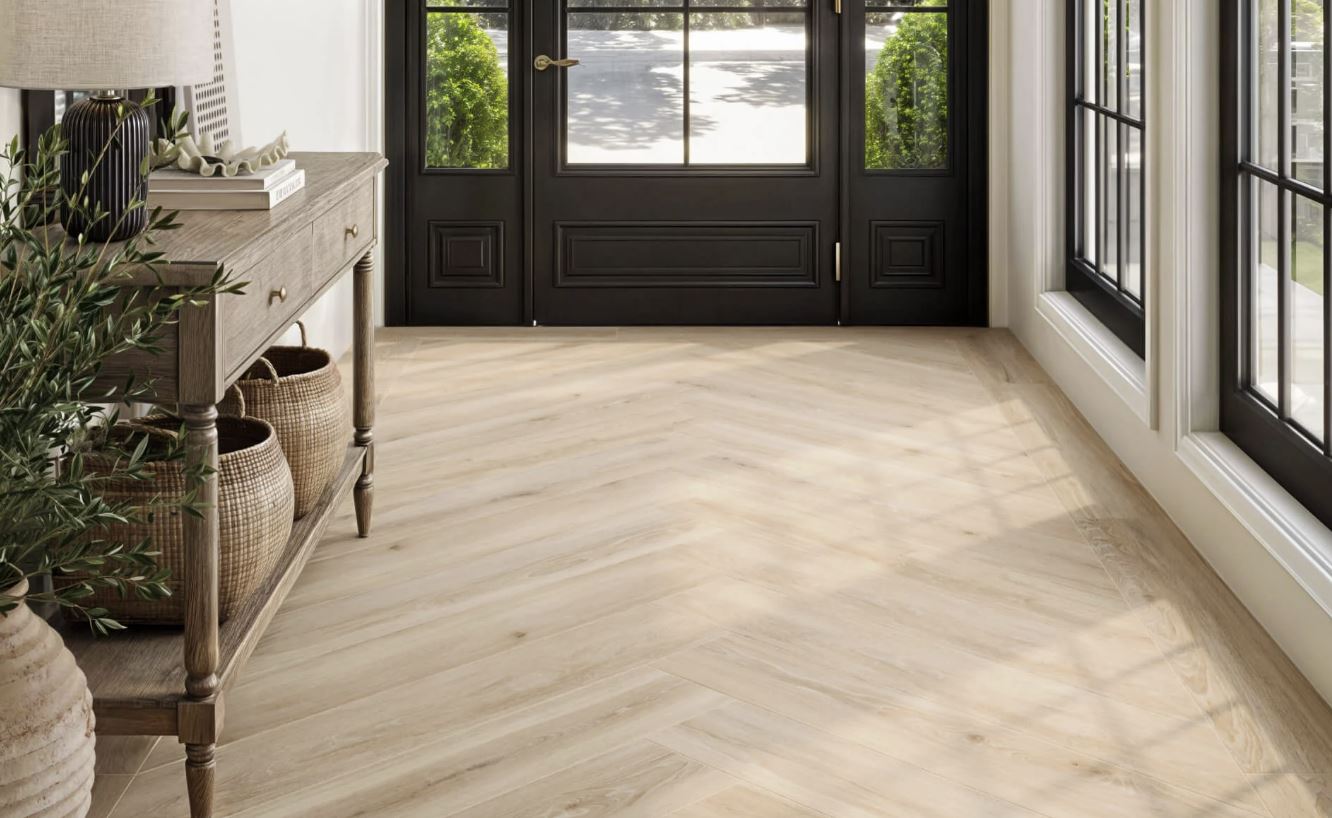
The herringbone pattern is a distinctive parquet style that arranges rectangular wood planks in a zigzag layout, where each plank meets the next at a right angle. This creates a broken, staggered appearance rather than the continuous V-shape of chevron patterns—a subtle but important distinction.
The geometric arrangement serves practical purposes beyond aesthetics. The interwoven layout improves structural stability, especially when used with engineered wood flooring, and helps mask minor subfloor imperfections. This structural integrity explains why Romans favoured the pattern for their roads millennia ago.
The Visual and Spatial Benefits
Creating the Illusion of Space
One of herringbone’s most valuable characteristics is its ability to manipulate perceived room dimensions. The hallmark diagonal lines bring a sense of depth by adding length and width to your space, drawing the viewer’s attention and making rooms visually spacious and comfortable. This makes herringbone particularly effective in smaller areas like hallways or compact reception rooms.
The herringbone-engineered wood floor will make the area appear larger if placed diagonally against the long wall, as opposed to longer if it is placed parallel to the long wall. This directional flexibility allows you to emphasise specific room proportions based on your needs.
Elevating Design Sophistication
Because it naturally draws the eye across the room, herringbone can help elongate a space or highlight architectural features like fireplaces or statement furniture. The pattern adds texture and depth without requiring bold colours or dramatic contrasts—the geometry itself provides visual interest.
When considering Herringbone flooring for your home, think about which rooms would most benefit from this elevated aesthetic. Living rooms, formal dining rooms, master bedrooms, grand hallways and entryways, and studies or offices all benefit from herringbone’s refined, professional appeal.
Durability and Structural Advantages
The Romans taught us that the herringbone pattern is hard-wearing, offering added strength and durability. This historical lesson remains relevant for modern homes. The tightly interlocking design can add structural stability, with angled planks fitting snugly together to make floors feel more solid and help prevent subtle movement or warping over time.
The unique arrangement of planks helps resist expansion and contraction, reducing the likelihood of warping, whilst protective wear layers guard against moisture and daily wear. These qualities make herringbone suitable for high-traffic areas where durability matters as much as appearance.
Design Flexibility and Customisation
Wood Species and Finishes
The wood planks can be sourced from various tree species, each offering distinct colour and grain pattern variations, allowing for a wide range of aesthetic options to match your interior design style. Popular choices include oak, walnut, and maple, each bringing its own character to the pattern.
Current trends in herringbone flooring lean towards larger planks and matte finishes, adding modern, understated elegance that creates spaciousness whilst preserving warmth and charm. This demonstrates herringbone’s remarkable versatility—it can feel equally at home in traditional country houses or contemporary urban flats.
Adapting to Multiple Styles
The pattern’s neutrality allows it to complement diverse design approaches. Herringbone flooring creates a warm style through the natural pattern and shades of the design, working equally well in cottage-look kitchens or stainless steel modern kitchens. This adaptability ensures your flooring won’t clash with future décor changes.
Practical Considerations
Installation Requirements
Herringbone patterns require a higher level of precision during installation than straight plank flooring, needing careful planning to ensure symmetry and consistency across the entire surface. This complexity typically necessitates professional installation, which adds to overall project costs but ensures proper execution.
Maintenance and Longevity
Despite its intricate pattern, herringbone hardwood flooring is surprisingly easy to maintain through regular sweeping or vacuuming to remove dust and debris, with occasional mopping using wood-friendly cleaner. The substantial thickness of quality parquet allows multiple refinishing opportunities, significantly extending floor life.
Frequently Asked Questions
Does herringbone flooring increase property value?
Given its association with luxury and elegance, herringbone hardwood flooring can significantly enhance property value, with potential homebuyers often viewing such features as marks of quality. The craftsmanship signals attention to detail that appeals to discerning buyers.
Is herringbone suitable for all rooms?
Whilst herringbone works beautifully in most spaces, it’s particularly effective in formal areas and high-traffic zones. Entryways, dining rooms, and living areas benefit most from the pattern’s visual drama. For smaller, more casual spaces, simpler flooring might prove more appropriate and cost-effective.
How does herringbone compare to straight-lay flooring in terms of cost?
Herringbone typically costs more than straight-lay installation due to increased material waste from cutting, greater labour requirements for precise placement, and the skill level demanded. However, herringbone flooring is widely known to be reasonably priced based on its timeless design and durability, offering good long-term value.
Can herringbone work with underfloor heating?
Yes, herringbone flooring suits underfloor heating systems. However, engineered wood generally performs better than solid wood with radiant heat, as its layered construction better manages temperature fluctuations without warping. Always verify compatibility with your flooring supplier.
Will the pattern feel dated in a few years?
It’s important to understand the difference between a trend and a fad—trends have far more staying power and remain stylish for at least a decade. Herringbone’s centuries-long history and continuing popularity suggest it transcends temporary fashion, making it a safe investment for long-term interior design.
Conclusion
Herringbone flooring represents that rare combination of historical pedigree and contemporary relevance. Its structural benefits, spatial enhancement qualities, and design flexibility explain why this pattern continues captivating homeowners centuries after Roman engineers first recognised its superior stability.
Whether you’re renovating a period property or adding character to a new build, herringbone offers sophistication that withstands changing trends. The pattern’s ability to complement both traditional and modern interiors whilst providing practical durability makes it a thoughtful choice for those seeking flooring that delivers both immediate impact and lasting value. In an era of rapidly shifting design fashions, investing in such timeless elegance seems particularly wise.