Ceramic tiles have a bit of a reputation for being practical rather than exciting. They’re the reliable choice for kitchens, bathrooms and laundries: easy to clean, durable, sensible. All true. But that practical image can make people overlook how much design potential they actually have.
Used creatively, ceramic Tiles can add colour, texture and character well beyond the usual splashback or shower wall. They can define small zones, turn awkward architectural features into focal points and bring visual interest to spaces that otherwise feel a little flat. The trick is to stop thinking of tiles purely as a surface covering and start treating them as a design material in their own right.
Give an Entryway More Personality
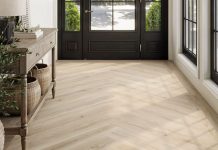
The front entrance is one of the easiest places to make a strong impression, yet it’s often treated as a purely functional transition zone. A patterned or textured tile floor can immediately give the space more identity, particularly in homes where the entry opens directly into a hallway or living area.
Because ceramic tiles are hard-wearing, they’re also well suited to the dirt, wet shoes and general foot traffic that comes through the front door. That combination of practicality and visual impact makes them a smart choice for a part of the home that has to work hard without looking utilitarian.
You don’t necessarily need to tile a huge area, either. Even a small tiled section near the doorway can create a clear sense of arrival and help separate the entrance from the rest of the floor plan.
Turn a Fireplace Into a Feature
Fireplaces naturally draw the eye, so they’re a great place to introduce something a little bolder.
A tiled surround can add colour to an otherwise neutral room, create contrast against painted walls or bring in a handmade, textured feel that softer furnishings can’t quite replicate. Depending on the style of the home, that might mean glossy coloured tiles, understated earthy tones or a simple geometric pattern.
This works particularly well in living rooms where the fireplace itself is fairly plain. Rather than replacing the entire structure, updating the surrounding surface can completely change how it reads within the room.
Add Interest to a Home Bar or Drinks Station
Home bars, coffee stations and drinks nooks are ideal for experimenting because they’re generally small enough to take a little more visual risk.
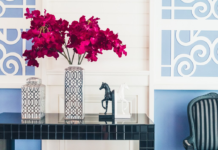
A compact tiled wall behind shelving or cabinetry can make a simple setup feel deliberate rather than like an unused corner that happened to acquire a coffee machine. It’s also one of those areas where colour often works beautifully. A deep green, warm terracotta or patterned tile can give the zone its own identity without committing the entire room to the same look.
And because spills are almost inevitable around coffee, wine and cocktails, the wipe-clean surface is genuinely useful rather than purely decorative.
Make Open Shelving Feel More Finished
Open shelving can look fantastic, but sometimes it leaves the wall behind it feeling oddly unfinished. Adding tiles to the backing creates depth and gives whatever is displayed on the shelves a stronger visual frame.
This idea can work in kitchens, dining areas, bathrooms and even living rooms. A subtle tile can add texture without competing with books, glassware or decorative objects, while a more distinctive pattern can become part of the display itself.
It’s also a useful way to bring an existing tile from elsewhere in the house into another room, creating continuity without repeating it on a large scale.
Use Tiles to Define a Small Zone
Open-plan homes often need visual boundaries even when there are no physical walls separating different functions. Flooring can help with that.
A tiled section beneath a breakfast nook, beside a rear entrance or around a compact utility area can signal that the space has a different purpose. Done well, the transition can feel intentional rather than abrupt, particularly when the colours or tones relate to the adjoining flooring.
This can also be useful in older homes where one part of the floor has been damaged or altered over time. Instead of trying to match an existing material perfectly, introducing a contrasting tiled zone can turn the difference into a feature.
Don’t Forget Outdoor-Adjacent Spaces
Depending on the specific product and installation requirements, ceramic tiles can also play a role in enclosed patios, mudrooms and other spaces that sit somewhere between indoors and outdoors.
These areas often need materials that can handle dirt, moisture and regular cleaning, but that doesn’t mean they need to look purely functional. A well-chosen tile can help connect an indoor palette with garden colours, timber decking or outdoor furniture while still keeping the area easy to maintain.
For homes with pets, children or a lot of traffic between the garden and the house, that resilience can be especially valuable.
Small Applications Can Have a Big Effect
One of the best things about using tiles creatively is that you don’t need a huge quantity to change how a space feels. A narrow strip, a recessed nook or a single feature surface can be enough.
That makes ceramic tiles particularly useful when you want to update a room without embarking on a complete renovation. Instead of replacing every finish, you can introduce one carefully chosen element that brings in texture, pattern or colour and makes the rest of the space feel more considered.
It also gives you room to be a little braver. A tile that might feel overwhelming across an entire bathroom can look fantastic across two square metres of a fireplace surround or drinks station.
Ceramic tiles may have earned their practical reputation for good reason, but that’s only half the story. They can be playful, architectural, colourful or understated depending on how they’re used. Once you start looking beyond the obvious places, there are plenty of opportunities to let them do more than simply protect a wall from splashes.