Your home is your biggest investment, and protecting it from the elements should be a top-priority task throughout the year. Weather patterns are becoming increasingly unpredictable, with storms growing more intense and temperature swings more dramatic. Whether you’re dealing with scorching summers, freezing winters, or everything in between, taking proactive steps to shield your property can save you thousands in repairs and keep your family safe and comfortable.
Understanding Your Home’s Vulnerabilities
Every home has weak points where weather can sneak in and cause damage. The roof, windows, doors, foundation, and siding all face constant assault from sun, wind, rain, snow, and temperature changes. Over time, even the smallest crack or gap can turn into a major problem. Water intrusion leads to mold, wood rot, and structural damage. Extreme heat causes materials to expand and contract, creating stress points. Cold temperatures can freeze pipes and crack concrete surfaces.
The key to effective protection is recognizing these vulnerable areas before minor issues become expensive disasters. Regular inspections should be part of your seasonal routine, ideally before severe weather seasons hit your region.
Foundation and Concrete Care
Your foundation literally holds everything up, making it critical to maintain properly. Concrete is surprisingly susceptible to weather damage, particularly in regions with extreme temperature variations. In hot climates, the intense sun and heat cause concrete to expand during the day and contract at night, leading to cracks and deterioration over time. These cracks allow water to seep beneath the surface, which can undermine structural integrity.
If you notice cracks in your foundation, driveway, or patio, addressing them quickly prevents further damage. For examples, homeowners dealing with desert conditions, professional concrete repair services in Arizona specialize in fixing these weather-related issues before they compromise your home’s structure. The extreme heat in places like Phoenix and Tucson creates unique challenges that require experienced contractors who understand how to properly seal and repair concrete in such demanding environments.
Roof Maintenance Throughout the Seasons
Your roof takes the brunt of whatever nature throws at it. Missing shingles, damaged flashing, and clogged gutters all create opportunities for water damage. Inspect your roof at least twice a year, looking for curled or missing shingles, rust spots on metal components, and any areas where water might pool.
Clean your gutters regularly to ensure proper drainage. When gutters overflow, water can seep into your walls, damage your foundation, or create ice dams in winter that force water under your shingles. Trim back any tree branches that hang over your roof, as they can damage shingles during storms and drop debris that clogs drainage systems.
Window and Door Protection
Windows and doors are prime entry points for both weather and energy loss. Check the caulking and weatherstripping around all windows and doors at least once a year. These materials deteriorate over time, allowing drafts, moisture, and pests to enter your home.
Consider upgrading to impact-resistant windows if you live in an area prone to severe storms or hurricanes. For regions with extreme temperatures, double or triple-pane windows with low-E coatings dramatically reduce energy costs while protecting your interior from UV damage.
Siding and Exterior Walls
Your home’s exterior skin needs regular attention too. Wood siding requires fresh paint or stain every few years to prevent moisture damage. Vinyl siding should be inspected for cracks or loose panels that could allow water infiltration. Brick and stucco need occasional repointing or patching to maintain their weather resistance.
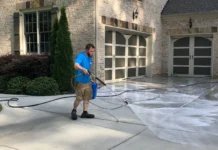
Power washing your siding annually removes dirt, mold, and mildew that can slowly degrade materials. Just be careful with the pressure settings to avoid damaging the surface you’re trying to protect.
Landscaping for Weather Protection
Strategic landscaping does more than boost curb appeal. Trees and shrubs planted in the right locations provide shade that reduces cooling costs and protects your exterior from harsh sun exposure. However, keep plants trimmed back from your foundation and siding to allow proper air circulation and prevent moisture problems.
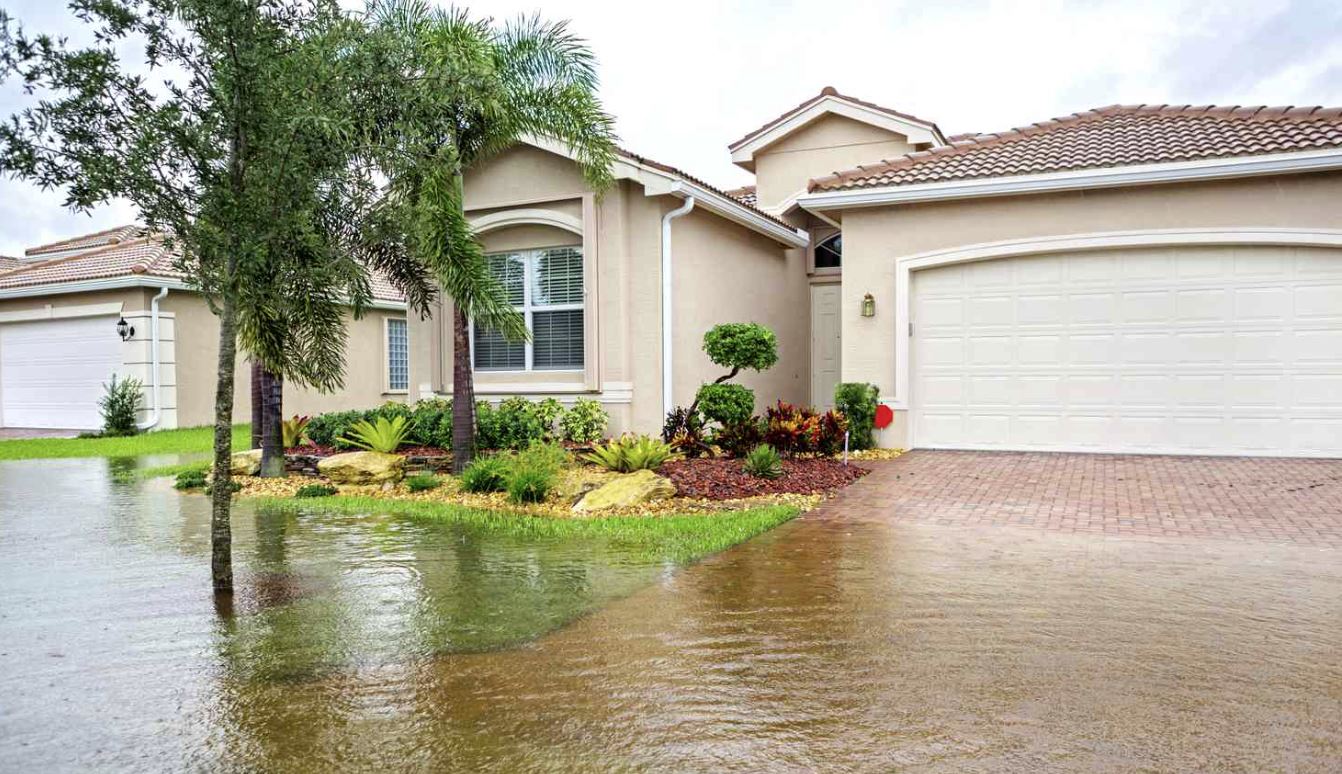
Proper grading around your foundation ensures water flows away from your home rather than pooling against the walls. Adding a layer of mulch in garden beds helps prevent soil erosion during heavy rains while retaining moisture during dry periods.
Plumbing and HVAC Considerations
Temperature extremes threaten your home’s systems as much as its structure. Insulate exposed pipes in crawl spaces, attics, and exterior walls to prevent freezing in winter. In hot climates, ensure your air conditioning system is serviced before summer hits to avoid breakdowns during peak heat.
Installing a whole-house surge protector guards your electrical systems and appliances against lightning strikes and power surges that often accompany severe weather.
Creating a Maintenance Schedule
Protecting your home year-round requires consistency. Create a seasonal maintenance checklist that covers all these areas. Spring and fall are ideal times for comprehensive inspections since you’re preparing for the most extreme weather seasons.
Take photos during inspections to track changes over time. Small cracks or stains that grow between checks signal problems needing immediate attention. Keep records of all repairs and maintenance for future reference and to demonstrate proper care if you ever sell your home.
Weather will always test your home’s defenses, but with regular attention and prompt repairs, you can keep your property strong and resilient through whatever nature sends your way.