Southern California is renowned for its endlessly sunny days and mild climate, making traditional winter weather a rarity. But if the cold months do get here in December and January, there is nothing better than the warmth of a crackling fire. It’s this mix of mild winters and infrequent use that leads homeowners across Los Angeles and Southern California to overlook chimney maintenance altogether. This misconception may cause severe property damage and safety hazards. In a landscape where dry brush and seasonal winds already elevate fire risks, ignoring your hearth and flue is a gamble that no homeowner should take.
The Silent Threat of Creosote Buildup
Creosote buildup is one of the main reasons fireplaces need maintenance, whether used frequently or not. Creosote is a dark brown or black, highly flammable by-product of wood burning. When smoke travels up a relatively cool chimney, condensation occurs, leaving this sticky residue on the interior walls of the flue.
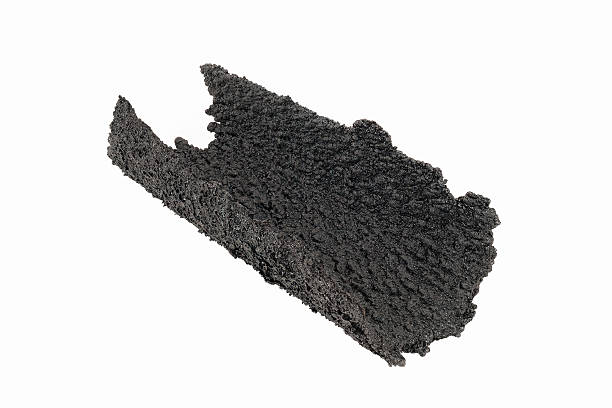
Actually, some infrequent fires can create more creosote than regular use. Wood that hasn’t been properly seasoned won’t burn as cleanly, which can result in incomplete combustion if the fire isn’t lit hot enough. This leads to more smoke and more rapid creosote accumulation. It only takes a small amount of this glaze to spark a chimney fire, which can quickly spread to the combustible framing of the house. Regular sweeping removes this hazardous material before it reaches critical levels.
Seismic Activity and Structural Integrity
Another feature that is peculiar to the area is frequent seismic activity. There are many micro-earthquakes that occur in Southern California throughout the year, whereas major earthquakes make headlines. These slight vibrations may lead to deterioration in masonry and mortar joints over time. More importantly, they can cause unseen cracks in the internal flue liner.
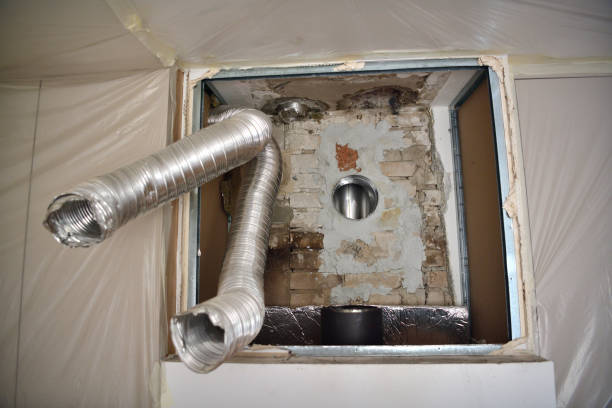
The flue liner is an important barrier that protects the surrounding walls of the house from the high temperature and poisonous gases of a fire. A cracked liner can allow stray sparks or extreme heat to reach dry timber framing, potentially igniting a house fire hours after the fireplace has been extinguished. These fractures cannot be seen from the hearth and are only visible with a professional examination using special camera equipment.
What Happens During a Professional Sweeping and Inspection?
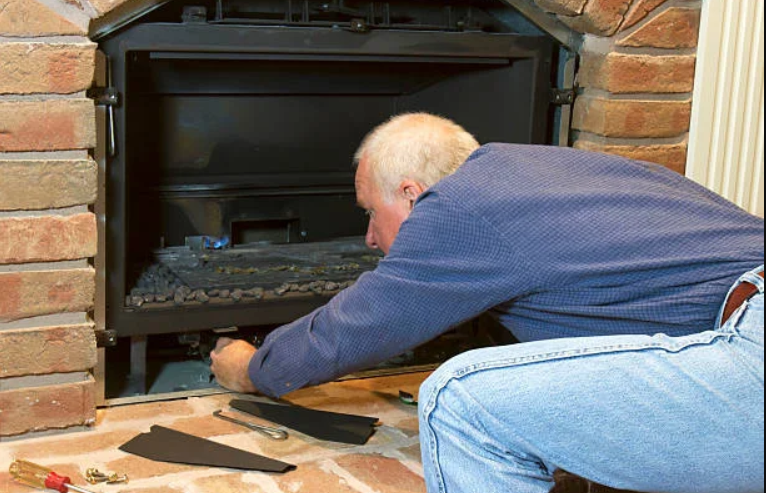
Addressing these risks takes more than simply brushing out the firebox. A complete evaluation includes the removal of all of the soot, creosote, and debris that can build up during the spring and summer. Dry nesting materials are often brought in by birds, rodents, and other local wildlife that will seek refuge in uncapped chimneys and cause instant blockage and fire hazards.
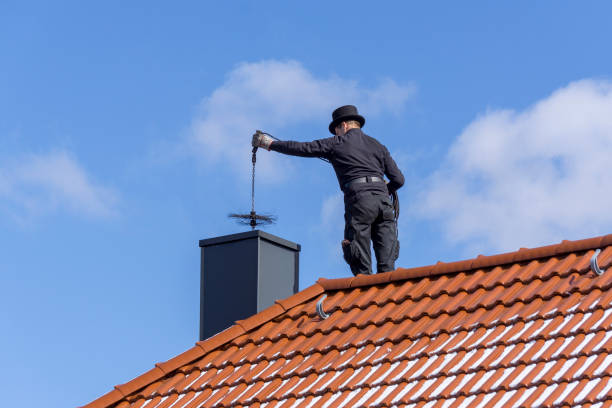
A professional does far more than scrub the interior. They’ll examine the damper mechanism, check the crown for water damage, and assess the structural integrity of the outer masonry. When looking for a qualified chimney sweep in Los Angeles, find a technician who understands local building codes and the seismic wear specific to Southern California homes. A thorough service report gives you a clear picture of your system’s condition, so you can plan any repairs before the season’s first fire.
Warning Signs You Need Immediate Maintenance
If you think your system is clean, you need to be aware of red flags that can signify a blockage or draft problem. On damp days, the room may smell strongly like a campfire, which is a definite sign of too much creosote. Additionally, if you open the damper and debris falls into the firebox, or if smoke billows back into the living room rather than drafting upward, do not attempt to use the fireplace again until it has been properly serviced.
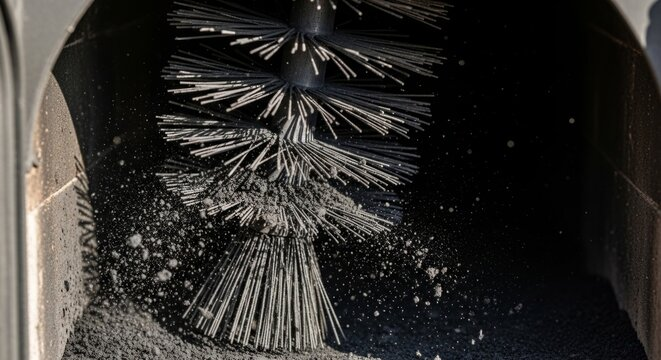
Another red flag is dark staining above the mantle in the brickwork; this means that the smoke is not drafting properly. If those symptoms are caught early, the damage from smoke can be confined to limited areas of your home, and you can avoid a potential carbon monoxide exposure.
Peace of Mind for the Winter Months
Fireplace maintenance exists to protect people and property. A roaring fire brings warmth and coziness on a cold night, but never at the cost of safety. By prioritizing annual inspections and sweeping, homeowners can confidently enjoy their hearths, knowing their home is protected against hidden structural faults and the risks of neglected masonry. Schedule your inspection before the first cold snap hits, so your fireplace is ready the moment you need it.