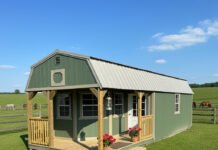
A small yard can feel like a puzzle: there is room for the essentials, but not always enough space for storage, hobbies, gardening, and relaxing. The solution is not necessarily to add more square footage. It may be to use the space you have more thoughtfully. A well-planned backyard barn can offer practical storage, create a dedicated place for projects, and help keep the rest of the yard open and inviting.
The key is to treat the structure as part of the overall layout, rather than simply placing it wherever there is a spare patch of ground. With the right size, position, and organization, a barn-style shed can make a compact outdoor space work harder without making it feel crowded.
Start with a clear idea of what the yard needs
Before choosing a structure, take stock of what is currently taking up space. Garden tools may be leaning against a fence, bikes may be parked by the back door, or seasonal items may be occupying a patio. Write down what needs a permanent home and what could be stored elsewhere or given away.
This simple inventory helps prevent a common mistake: buying more storage than the yard can comfortably accommodate. It also helps determine which features matter. A household storing a lawn mower, garden tools, and a few bicycles may need a different interior layout from one that wants a potting bench or a small work area.
Think about how often each item is used, too. Everyday tools should be easy to reach, while holiday decorations and other occasional-use items can go on higher shelves or toward the back. Planning around real routines makes the space more useful from day one.
Measure more than the building footprint
A structure’s listed dimensions do not tell the whole story. Measure the available area, then account for the space needed to walk around it, open the doors, and move equipment in and out. A barn with wide doors may be convenient for storing bulky items, but those doors need enough clearance to swing or slide freely.
Pay attention to the paths people already use. A shed that blocks the route to a gate, patio, garden bed, or clothesline can make the yard feel awkward. It can also turn simple chores into a series of workarounds. Marking the proposed footprint with string, stakes, or cardboard can help you see how the structure will affect movement before making a decision.
Remember to look upward as well as outward. A taller interior may provide room for shelves, hooks, or overhead storage, allowing a smaller footprint to hold more. But height should suit the scale of the yard and follow any local rules that apply.
Choose a location that supports the layout
The best spot is not always the farthest corner. Consider the way the yard is used throughout the year. If garden tools are needed near the planting beds, placing the barn nearby can save repeated trips. If it will store bicycles or sports equipment, a location close to the usual entrance may be more convenient.
Sunlight, drainage, and ground conditions also matter. A low or soggy area may need attention before a structure is installed. Avoid placing the building where it will create persistent shade over plants that need sun, or where roof runoff could collect near the foundation. Leave room to inspect and maintain the exterior, including the sides that face a fence.
A good layout often separates the yard into simple zones: storage, gardening, play, and relaxation. The barn can serve as one clear edge of a zone, rather than becoming an obstacle in the middle of an open area. That approach helps the yard feel intentional and easier to navigate.
Use the interior efficiently
Storage becomes more effective when the floor is not the only place items can go. Wall-mounted hooks can hold rakes, shovels, hoses, and extension cords. Sturdy shelves can keep smaller supplies visible, while bins prevent loose items from spreading across the floor. A narrow work surface may provide space for potting plants or completing small repairs without taking over the yard.
Keep heavier items low and secure. Frequently used tools should be reachable without moving several other things first. If the barn will store a mower or other equipment, reserve a clear path to the door and avoid stacking items where they could fall into the route.
It can help to group supplies by activity. Gardening items might share one wall, while sports equipment and outdoor games occupy another. Labels can be useful, especially when several people in the household use the space. The goal is not to create a showroom. It is to make it easy to put things away and find them again.
Make the structure serve more than one purpose
A compact yard benefits when every feature earns its place. Depending on the design and local requirements, a barn-style shed may do more than hold equipment. It could include a small potting station, a workbench for household projects, or a sheltered area for storing outdoor cushions and seasonal accessories.
Multi-use space works best when its functions do not compete. For example, a fold-down work surface can be put away when it is not needed. A clear section of wall can hold a garden calendar or a few frequently used tools. If the interior is used for a hobby, store supplies in closed containers so the space can be tidied quickly.
Keep expectations practical. A storage building may not be designed or permitted for use as a living space, workshop, or other occupied room. Before making changes, check the structure’s specifications, safety considerations, and local rules. A useful secondary function should not compromise ventilation, access, or safe storage.
Keep the exterior visually balanced
A storage building can add character to a yard, but it should relate to the home and landscape. Matching or coordinating colors, trim, and materials can help it feel like part of the property. Simple planting around the structure may soften its edges, but leave enough clearance for maintenance and airflow.
In a small yard, visual clutter can make the entire space feel tighter. Keep the area around the barn tidy and avoid lining every available wall with containers, equipment, or decorations. A few purposeful details often work better than many small additions.
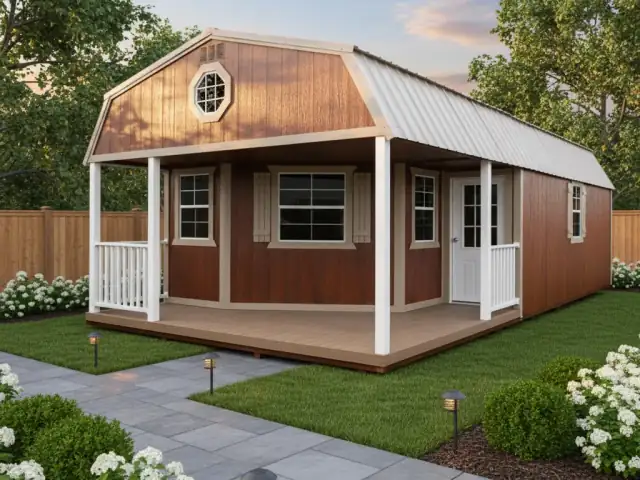
The roofline and proportions matter as well. A tall, bulky structure may overwhelm a narrow yard, while a carefully chosen shape can make use of vertical space without dominating the view. Consider what the building looks like from inside the house, from the patio, and from the main entrance. Those everyday sightlines are part of the experience.
Protect the space with simple upkeep
Good maintenance helps a small-yard structure remain useful over time. Keep gutters and drainage paths clear if the building has them, and check that water is directed away from the base. Inspect doors, roofing, siding, and fasteners periodically, following the manufacturer’s care guidance for the materials.
Inside, avoid storing damp items in a way that traps moisture. Allow wet tools, boots, or cushions to dry when possible, and keep the floor clear enough to spot leaks or pests. Regularly review the contents and remove items that are broken, no longer needed, or better stored elsewhere.
It is also worth checking the area around the structure as the yard changes. Plants grow, paths shift, and new equipment can alter how the space is used. A quick seasonal reset can keep the barn from becoming a catch-all that gradually spills back into the yard.
Check local requirements before installation
Rules for accessory buildings vary by location and can depend on size, height, placement, foundation, and intended use. Homeowners may also need to consider easements, property boundaries, drainage, and homeowners association requirements. Confirming these details before purchasing or installing a structure can help avoid costly adjustments later.
If the yard is particularly small, boundary distances and access for installation may be especially important. Measure carefully and confirm what the installer needs to bring the building into place. Planning for these practical details is less exciting than choosing a style, but it can make the project much smoother.
A small yard can still do a lot
Making the most of a compact yard is about reducing friction. When tools have a place, paths remain clear, and outdoor activities are organized into usable zones, the space can feel larger and more comfortable. A thoughtfully planned barn-style storage building can support that goal by moving clutter out of the way and giving everyday equipment a home.
Start with the needs of the household, choose a size that fits the yard, and plan the location around access, drainage, and how the space is used. Then organize the interior so it supports regular routines. The result does not have to be elaborate. Even a modest structure can free up valuable room for gardening, play, or simply enjoying the outdoors.