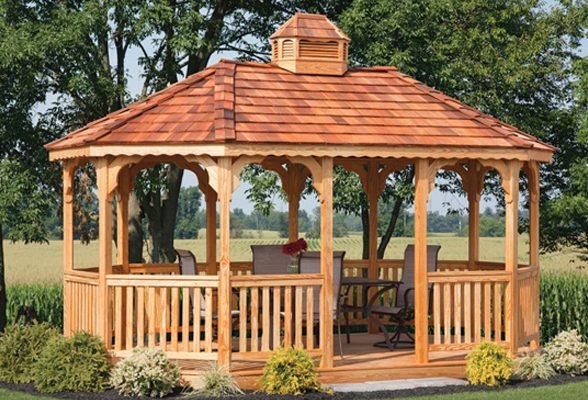
A gazebo can change the way you use your yard. It gives you shade on hot afternoons, a dry spot during a summer drizzle, and a reason to actually spend time outside instead of just looking at it from the kitchen window. But before you start browsing every gazebo for sale listing you can find, there is one decision that matters more than almost anything else: the material.
For most homeowners, the choice comes down to two options. Wood or vinyl. Both can look beautiful in the right setting, and both have honest downsides that a sales page might not mention. This guide walks through the real differences so you can decide which one fits your backyard, your climate, and honestly, your willingness to do a little upkeep now and then.
Why the Material Decision Matters So Much
A custom gazebo is not a small purchase. It is a structure that will sit in your yard for the next 15 to 30 years, through snow, sun, rain, and everything in between. Unlike a patio set you can swap out on a whim, a gazebo is closer to a small construction project. The material you choose affects the cost, the maintenance, how long it lasts, and even how your property looks from the street.
So it is worth slowing down and thinking this through before you commit.
Wood Gazebos: The Classic Choice
There is a reason wood has been the go-to gazebo material for generations. It simply looks like it belongs in a yard.
The Case for Wood
Timeless appearance. A cedar or pressure-treated pine gazebo has a warmth that is hard to fake. The grain, the color, the way it weathers over the years, it all adds character. If your home has natural siding, stone accents, or a traditional design, a wood gazebo will feel like it was always meant to be there.
Easy to customize and repair. Wood can be cut, stained, painted, and modified. Want to match the exact stain color on your deck? No problem. Need to replace a damaged post after a storm? A carpenter can handle that without special parts or a call to the manufacturer.
More design flexibility. Because builders work with wood the way they always have, custom shapes, decorative trims, and unique rooflines are all on the table. If you have an unusual yard layout or a specific vision, wood gives you the most room to work.
Strong and sturdy. A well-built wood gazebo, especially one anchored properly, holds up well against wind and weather in most regions.
The Honest Downsides
Wood asks something of you. It needs to be resealed or restained every few years, usually every two to four depending on your climate and how much direct sun it takes. Skip that maintenance and the wood will gray, crack, and eventually rot in places. Insects can also be an issue, though cedar naturally resists them better than pine.
There is also the cost factor. Quality wood gazebos, particularly cedar, tend to cost more upfront than comparable vinyl options. You are paying for the material and often for more skilled labor to build it.
Vinyl Gazebos: The Low-Maintenance Option
Vinyl gazebos have grown a lot in popularity over the past decade, and it is easy to see why. They promise something very appealing: the look of a painted wood gazebo without the painting.
The Case for Vinyl
Almost zero maintenance. This is the big one. Vinyl does not need staining, sealing, or repainting. An occasional rinse with a garden hose keeps it looking fresh. For busy homeowners, or anyone who would rather spend weekends in the gazebo than working on it, this is a genuine advantage.
It handles moisture beautifully. Vinyl will not rot, warp, or splinter. It shrugs off rain, humidity, and even the damp conditions of a shaded yard where wood might struggle. If you live somewhere with long wet seasons, this matters more than you might think.
Consistent appearance. Vinyl stays white (or whatever color you choose) year after year. No fading to gray, no peeling paint, no patchy stain. Ten years in, it looks roughly the way it did on day one.
Often lower cost. Vinyl gazebos frequently come in at a lower price point than premium wood models, and the savings continue over the years since there is no maintenance spending.
The Honest Downsides
Vinyl is not perfect. The crisp white look that suits so many homes can feel out of place next to rustic or natural-style houses. It is also harder to change later. You cannot restain vinyl next season if you decide you want a different look.
Repairs can be trickier too. If a panel cracks or a component fails, you generally need replacement parts from the manufacturer rather than a quick fix from a local carpenter. And in very hot, intense sun, cheaper vinyl can become brittle over many years, though higher-quality products handle this much better.
Some people also feel that vinyl, even well-made vinyl, lacks a certain authenticity. It looks great from a distance, but up close it does not have the texture and character of real wood. Whether that matters is entirely a personal call.
A Quick Head-to-Head Comparison
| Factor | Wood | Vinyl |
|---|---|---|
| Upfront cost | Higher, especially cedar | Usually lower |
| Maintenance | Stain or seal every 2 to 4 years | Occasional rinse |
| Lifespan | 15 to 30 years with care | 20+ years, often with less effort |
| Best style match | Traditional, rustic, natural homes | Classic, cottage, modern homes |
| Repairs | Easy, any carpenter can help | May need manufacturer parts |
| Customization | Stain, paint, modify anytime | Fixed color and finish |
How to Decide for Your Own Yard
Instead of thinking about which material is “better,” think about which one fits your life.
Choose wood if you love the natural look, you do not mind a maintenance weekend every couple of years, you want maximum design flexibility, or your home has a traditional or rustic style that vinyl would clash with.
Choose vinyl if low maintenance is your top priority, your yard is damp or shaded, your home suits a crisp white structure, or you simply want to install it once and not think about it again.
Also consider your climate. In humid, rainy regions, vinyl’s moisture resistance is a real advantage. In dry, sunny regions, quality wood holds up wonderfully as long as you keep up with the sealing.
A Few Final Tips Before You Buy
Whichever material you lean toward, a few things apply to both. Check your local building codes and HOA rules before ordering, since some areas require permits for permanent structures. Pay attention to the roof material as much as the frame, since that is what actually keeps the rain off. And if you are buying a custom build, ask plenty of questions about the foundation and anchoring, because a gazebo is only as durable as what it sits on.
At the end of the day, there is no wrong answer between wood and vinyl. There is only the answer that fits your yard, your budget, and the amount of care you are happy to give. Pick that one, and you will have a backyard spot you enjoy for decades.